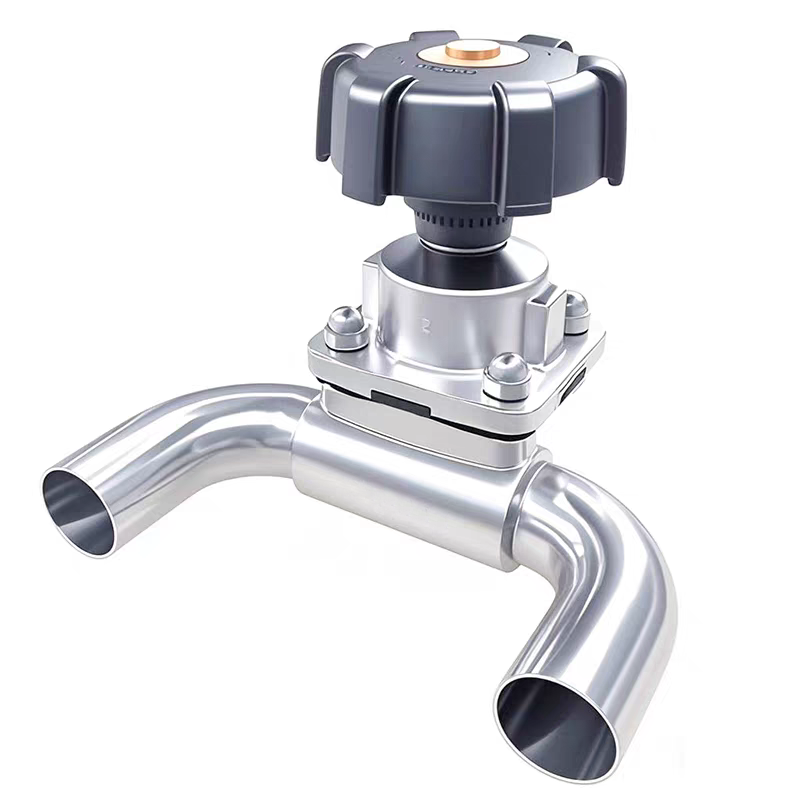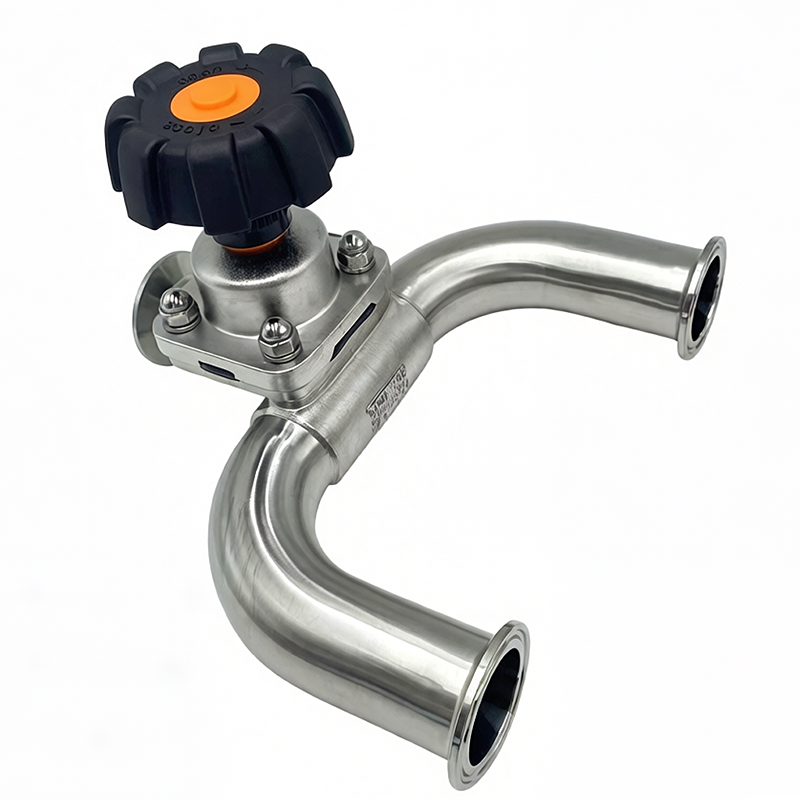
A U-type diaphragm valve is a specialized sanitary valve commonly used in pharmaceutical, food, beverage, and dairy indu...
Inquire
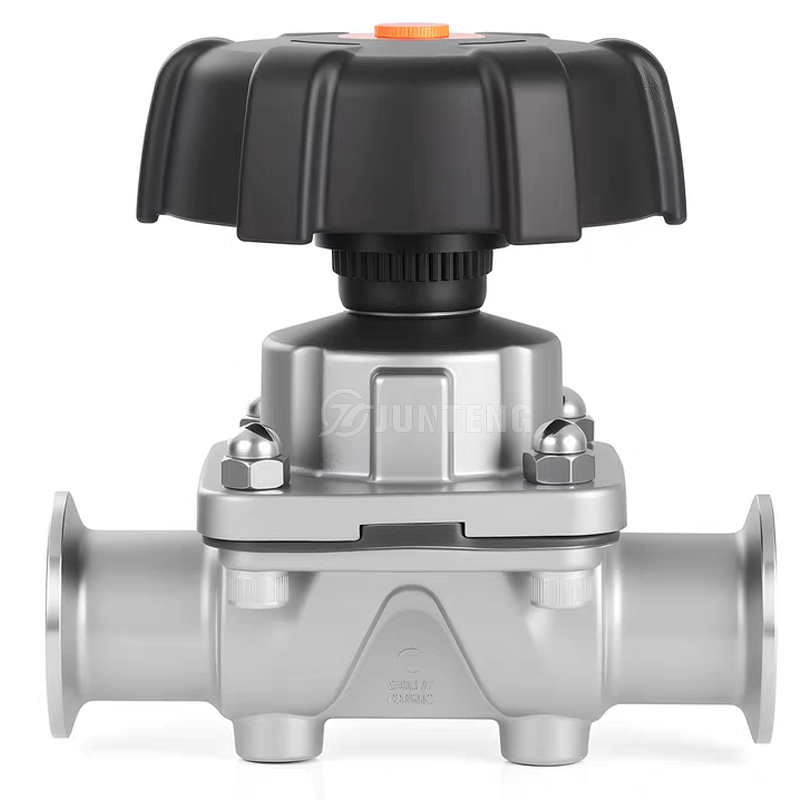
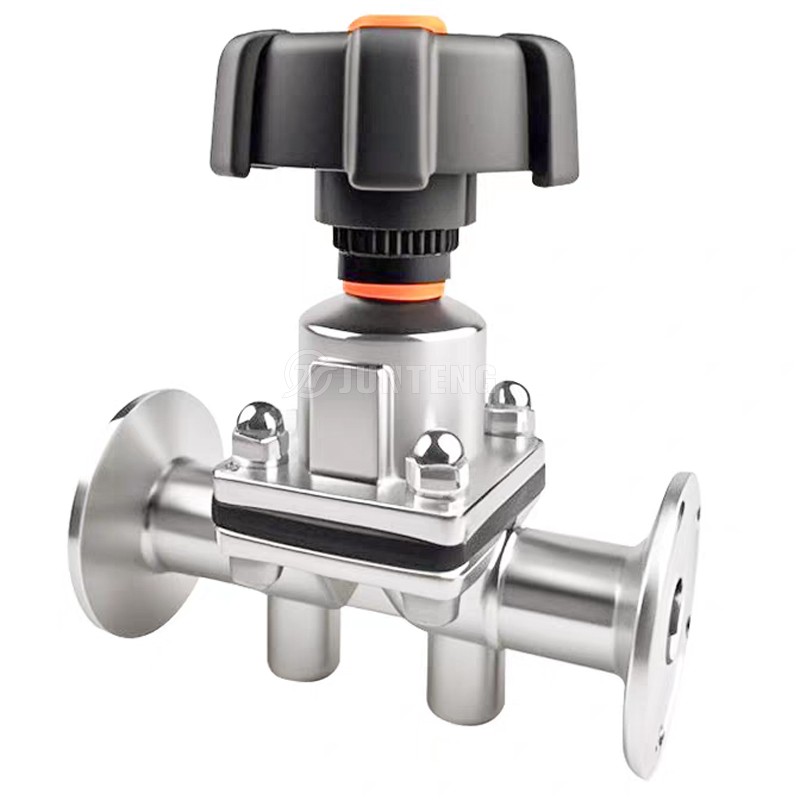
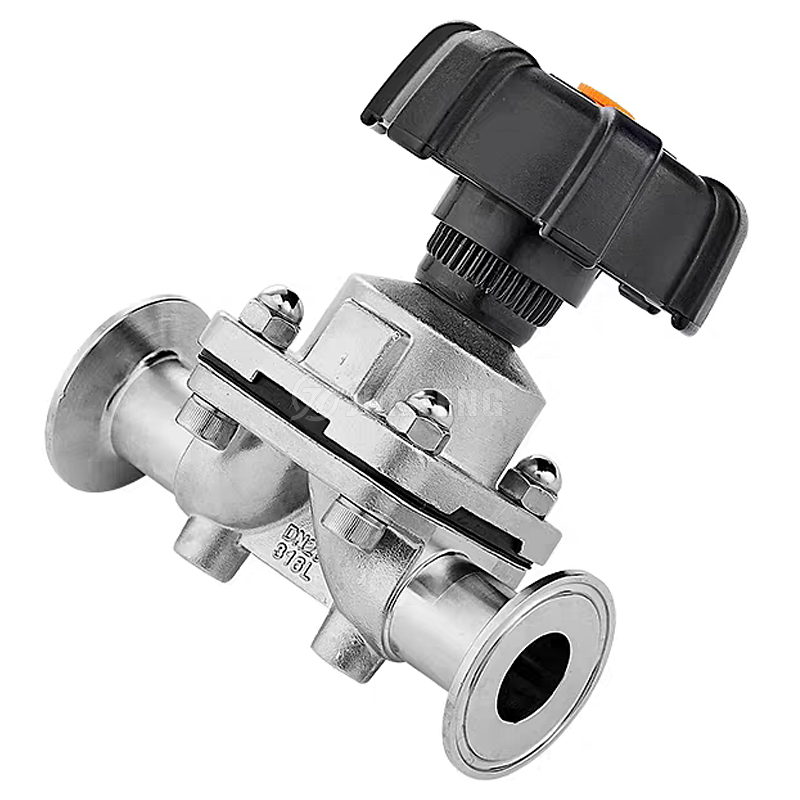
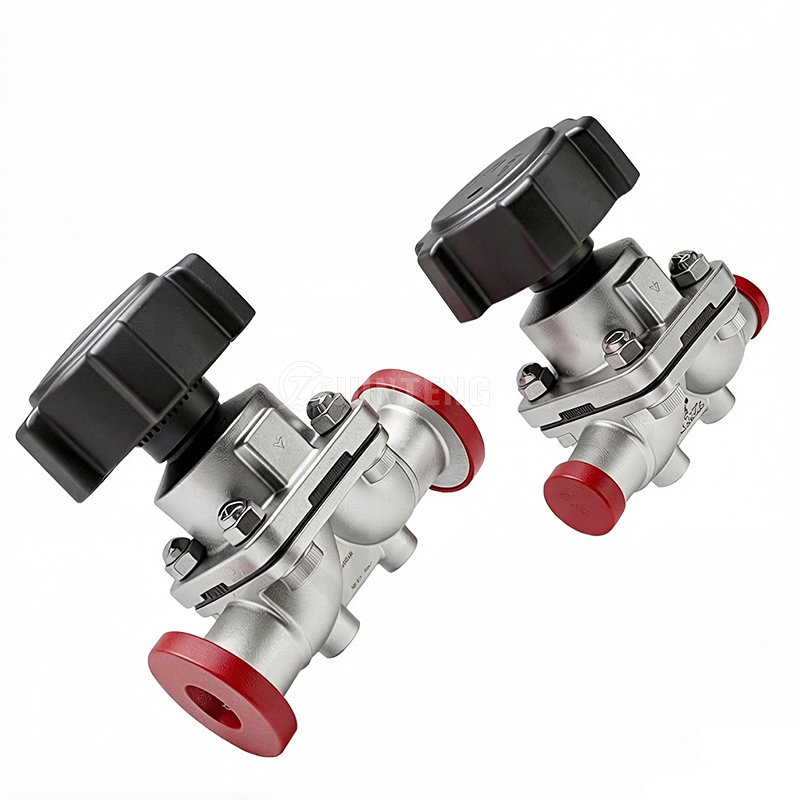
1. Brief Introduction of Products:
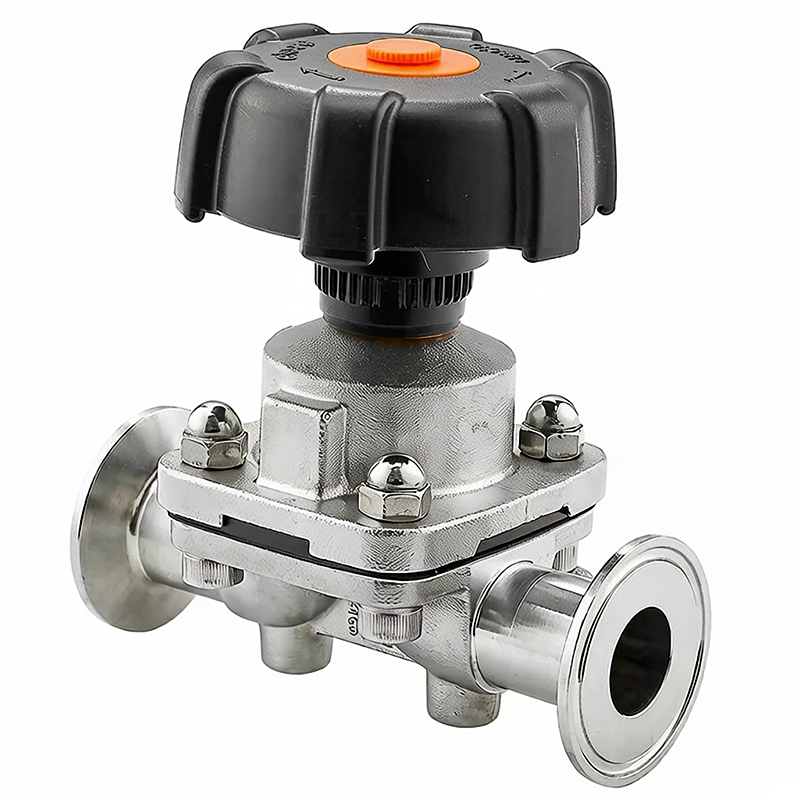
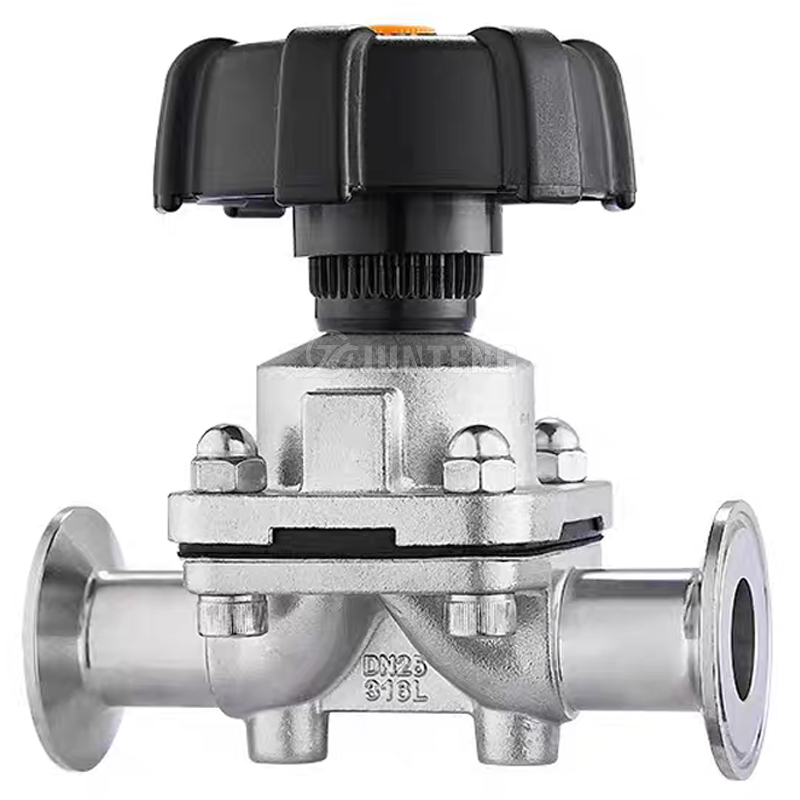
A sanitary diaphragm valve is a highly specialized valve used in hygienic and aseptic applications. Its defining feature is a flexible membrane (diaphragm) that isolates the internal fluid from the mechanical operating parts, preventing contamination.
2. How It Works?
• Sealing Mechanism: When the valve is closed, a compressor pushes the flexible diaphragm down against a central ridge or seat in the valve body.
• Isolation: The diaphragm completely separates the fluid from the valve's stem and actuator. This eliminates the need for traditional stem packing seals, which can trap bacteria and cause leaks.
• Flow Control: Lifting the actuator allows the diaphragm's natural elasticity to flex upward, providing an unobstructed path for fluid with very low pressure drop.
3. Key Design Features:
• Materials: Product-wetted parts are constructed from high-purity, corrosion-resistant stainless steel (typically 316L). The diaphragm itself is usually made of food/pharmaceutical-grade elastomers like EPDM, Silicone, or PTFE.
• No Dead Legs: They are designed to prevent "dead legs" or crevices where product can pool, which is critical to stopping bacteria and mold growth.
• Cleanability: The smooth internal surfaces are engineered to be easily sterilized and cleaned using Clean-in-Place (CIP) and Steam-in-Place (SIP) methods.
4. Technical Specification:
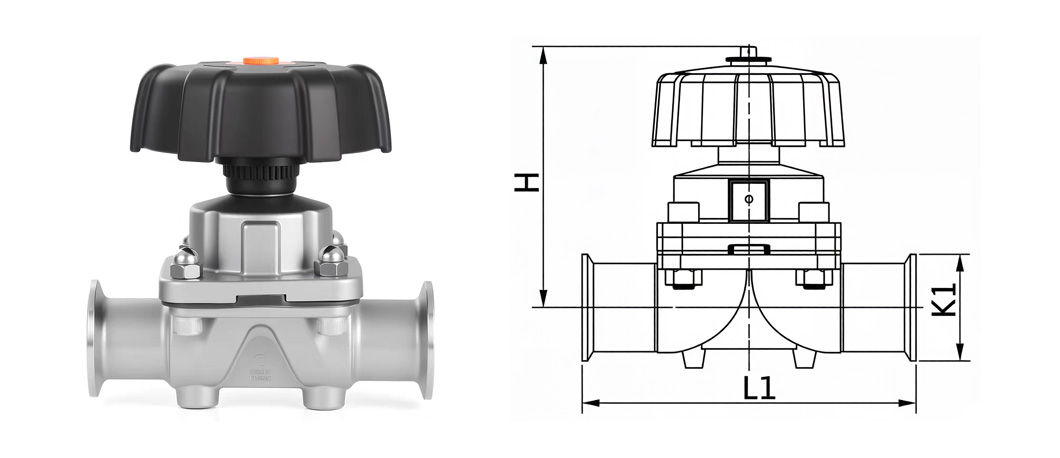
3A Standards
| Size | L1 | K1 | H |
| 1/2" | 108 | 25.4 | 93.5/102.5 |
| 3/4" | 108 | 25.4 | 93.5/102.5 |
| 1" | 118 | 50.5 | 111.5/122 |
| 1 1/4" | 127 | 50.5 | 144.5/160 |
| 1 1/2" | 146 | 50.5 | 144.5/160 |
| 2" | 190 | 64 | 167/190 |
| 2 1/2" | 216 | 77.5 | 199/228 |
This product are also available in DIN, ISO/IDF, SMS, BSP standards. Please feel free to contact us if you need it in other standards!
• Materials: Typically constructed with a 316L stainless steel body and a dual-layer diaphragm (such as PTFE and EPDM) to handle high purity standards.
• Operation: Valves can be manually operated or controlled pneumatically.
• Connections: Available with various sanitary connections including tri-clamp, butt-weld, or threaded ends.
5. Key Applications and Use Cases:
• Pharmaceutical & Biopharma: Essential for sterile processing lines, WFI (water for injection) systems, and aseptic fluid transfer where zero contamination is required.
• Food, Dairy & Beverage: Used in processing lines for milk, wine, and brewing where daily clean-in-place (CIP) and sterilize-in-place (SIP) processes are necessary.
• Semiconductor & Electronics: Utilized for ultrapure water (UPW) systems and corrosive chemical delivery lines to prevent particulate buildup and maintain ultra-clean standards.
• Chemical Processing: Deployed to handle highly corrosive acids, bases, and abrasive slurries without damaging the valve's working parts.
Junteng, a leader in sanitary pipe fittings and valves, has officially unveiled its redesigned corporate website at www....
SEMICON China 2026 Concludes in Shanghai: Global Semiconductor Industry Gathers to Usher in Trillion-Dollar "Chip Era" A...
GET A QUOTE