Model No.:JT-A031
Inquire

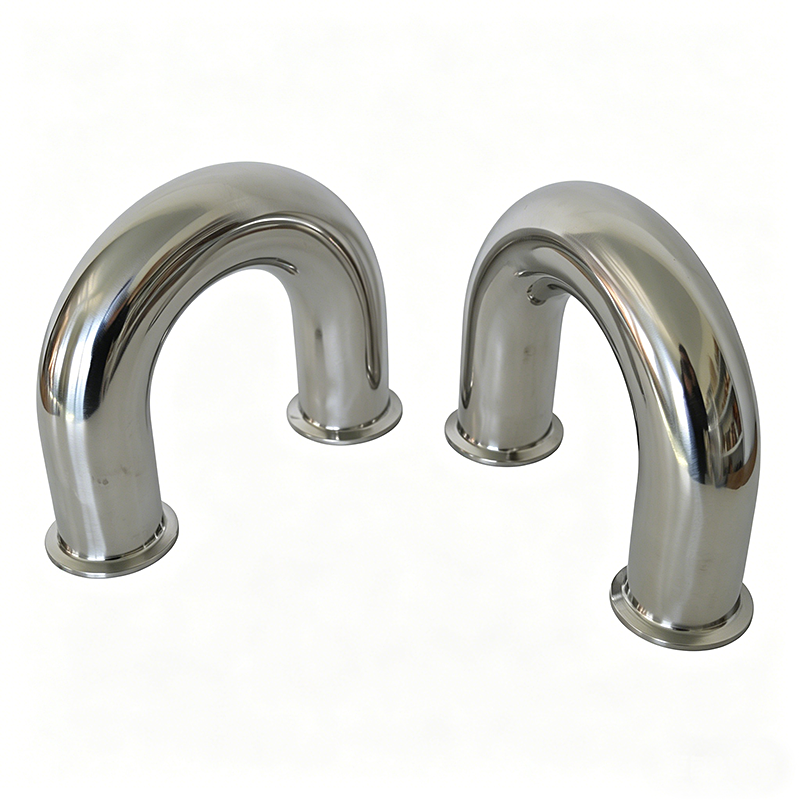
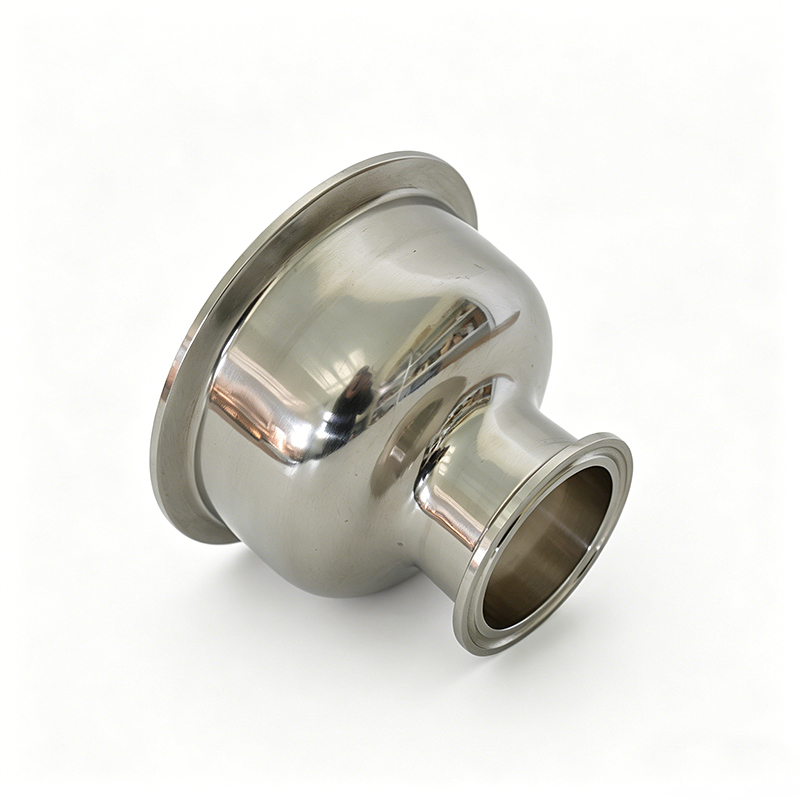
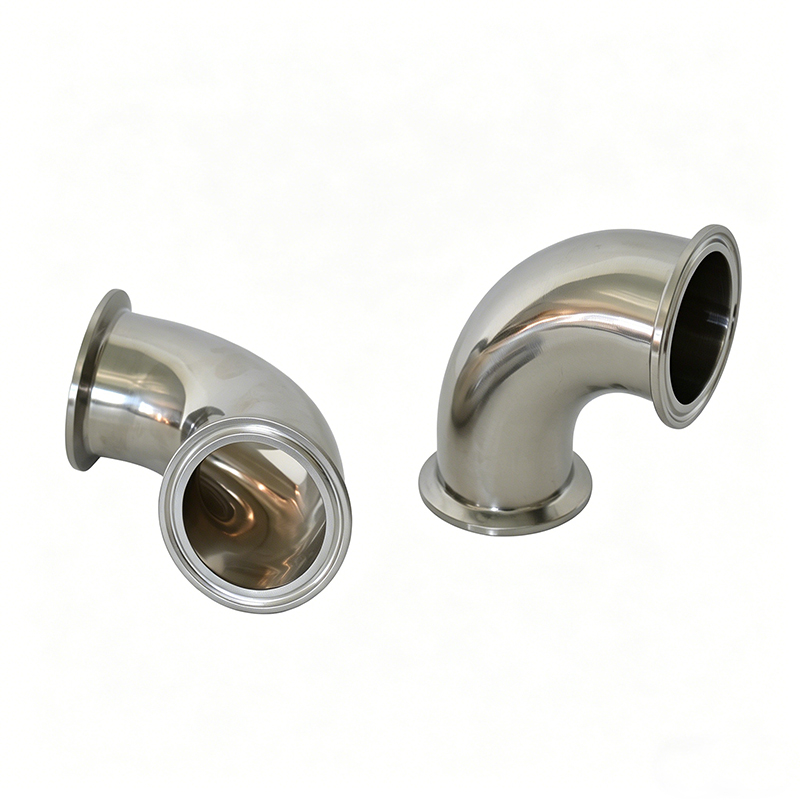
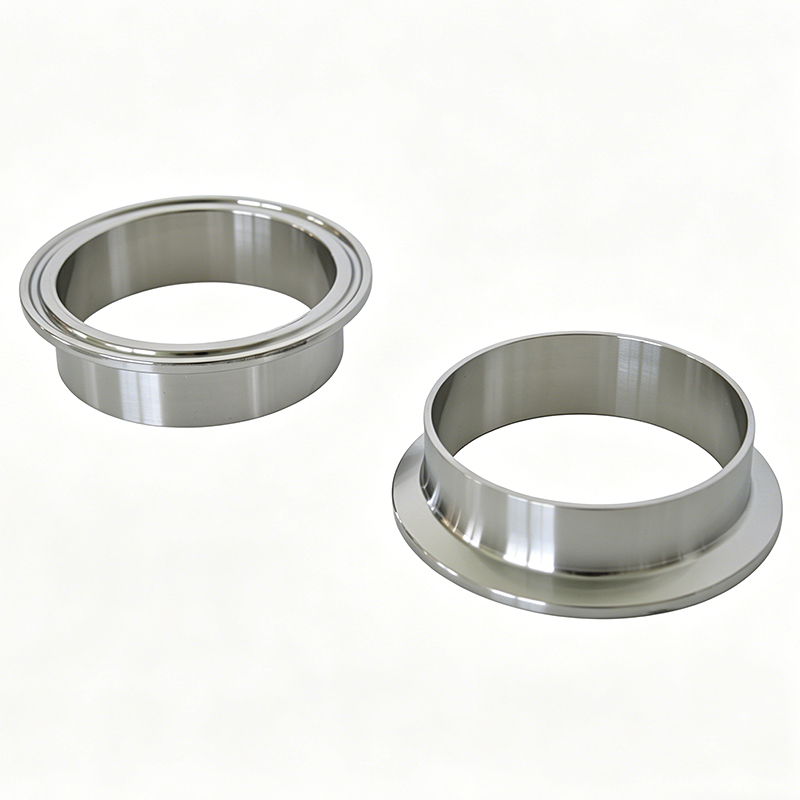
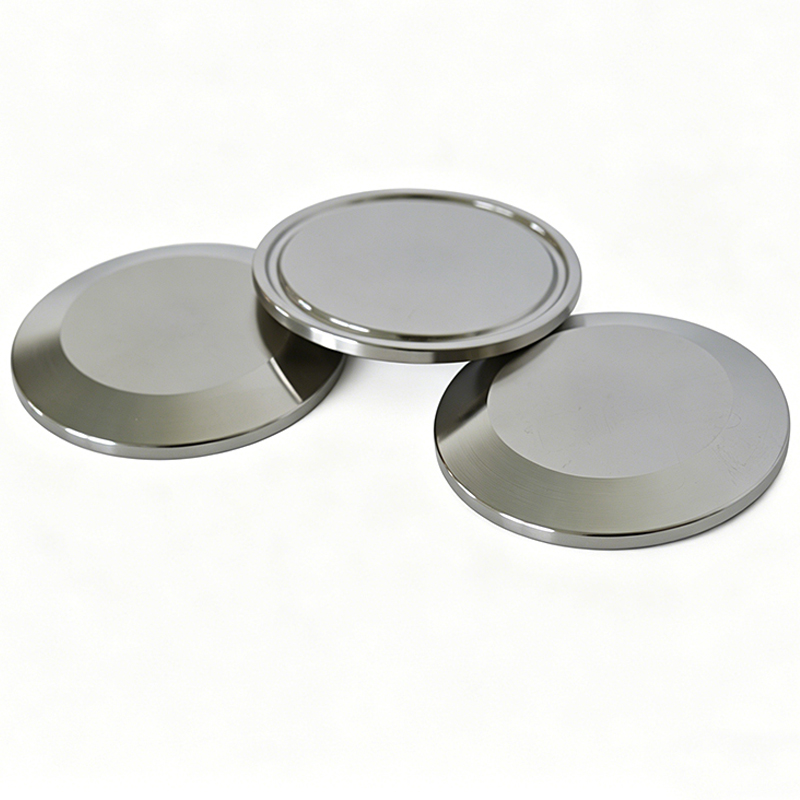
The sanitary pipe fittings and valves are widely used in the production process of wine. At the heart of effective sanitary fittings is material selection. Stainless steel (AISI 304 and 316L) reigns supreme for its inertness, corrosion resistance, and compatibility with acidic wines and cleaning agents. 304 stainless steel suits standard processes like transfer lines and fermentation tanks, while 316L—enhanced with molybdenum—excels in harsh environments, such as contact with chloride-based sanitizers. A smooth internal surface (Ra ≤0.6 µm) is non-negotiable, minimizing microbial adhesion and enabling thorough cleaning via electropolishing or passivation.
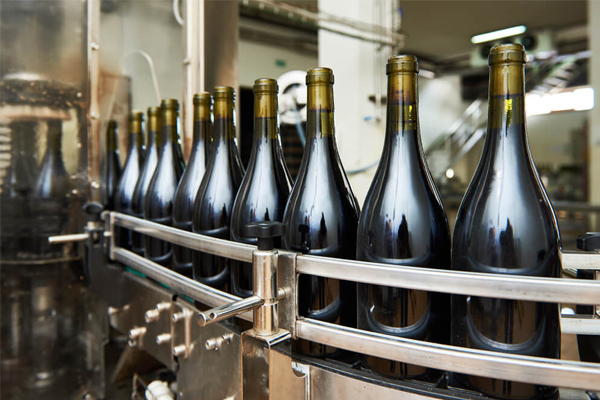
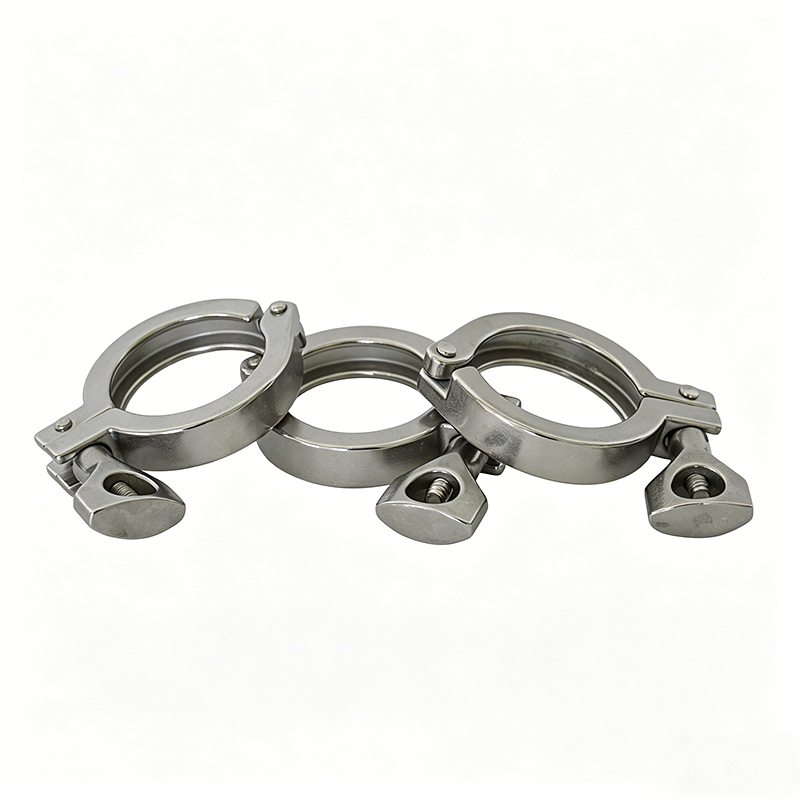
Sanitary fittings integrate seamlessly into every winemaking step, guided by three principles: zero dead legs, full drainability, and easy cleanability. In fermentation, they equip tanks with CIP (Clean-in-Place) ports, pressure relief valves, and sampling valves to monitor quality and maintain sterility. During transfer and aging, tri-clamp fittings ensure leak-proof, tool-free connections that simplify cleaning, while smooth-bore hoses preserve wine clarity by avoiding sediment disturbance. On bottling lines, ultra-sanitary valves and filling nozzles eliminate dead spaces, adhering to ASME BPE standards to prevent post-fermentation contamination.
In essence, sanitary pipe fittings are the backbone of premium winemaking. Investing in high-quality fittings is not just a regulatory necessity—it is a commitment to the art and tradition of winemaking excellence.
GET A QUOTE